
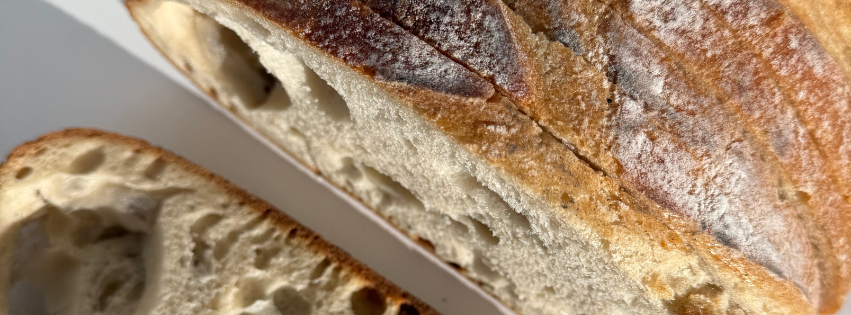
CHECK OUT OUR SOURDOUGH RANGE
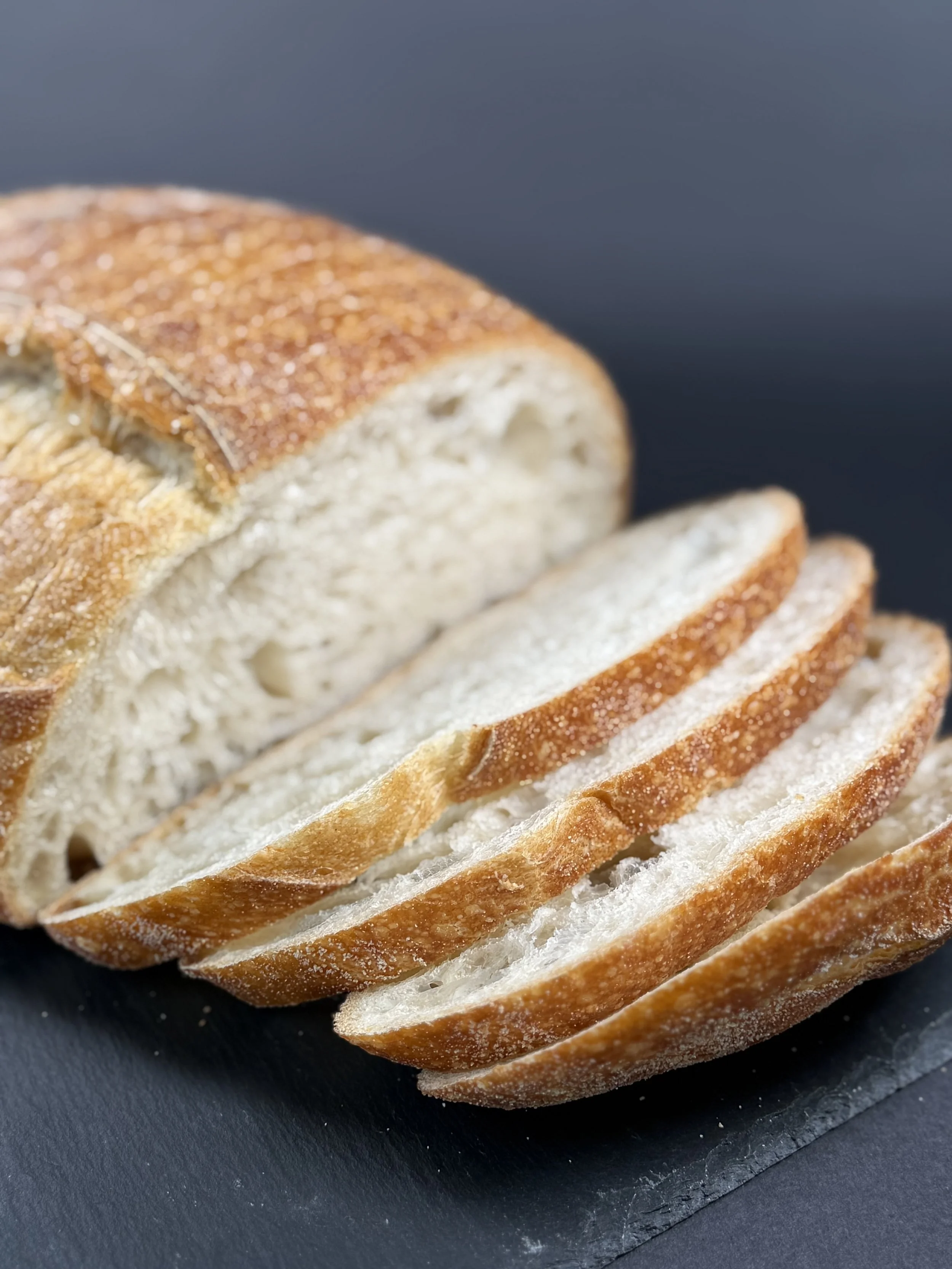
TRAD SHAPED WHITE SOURDOUGH BLOOMER
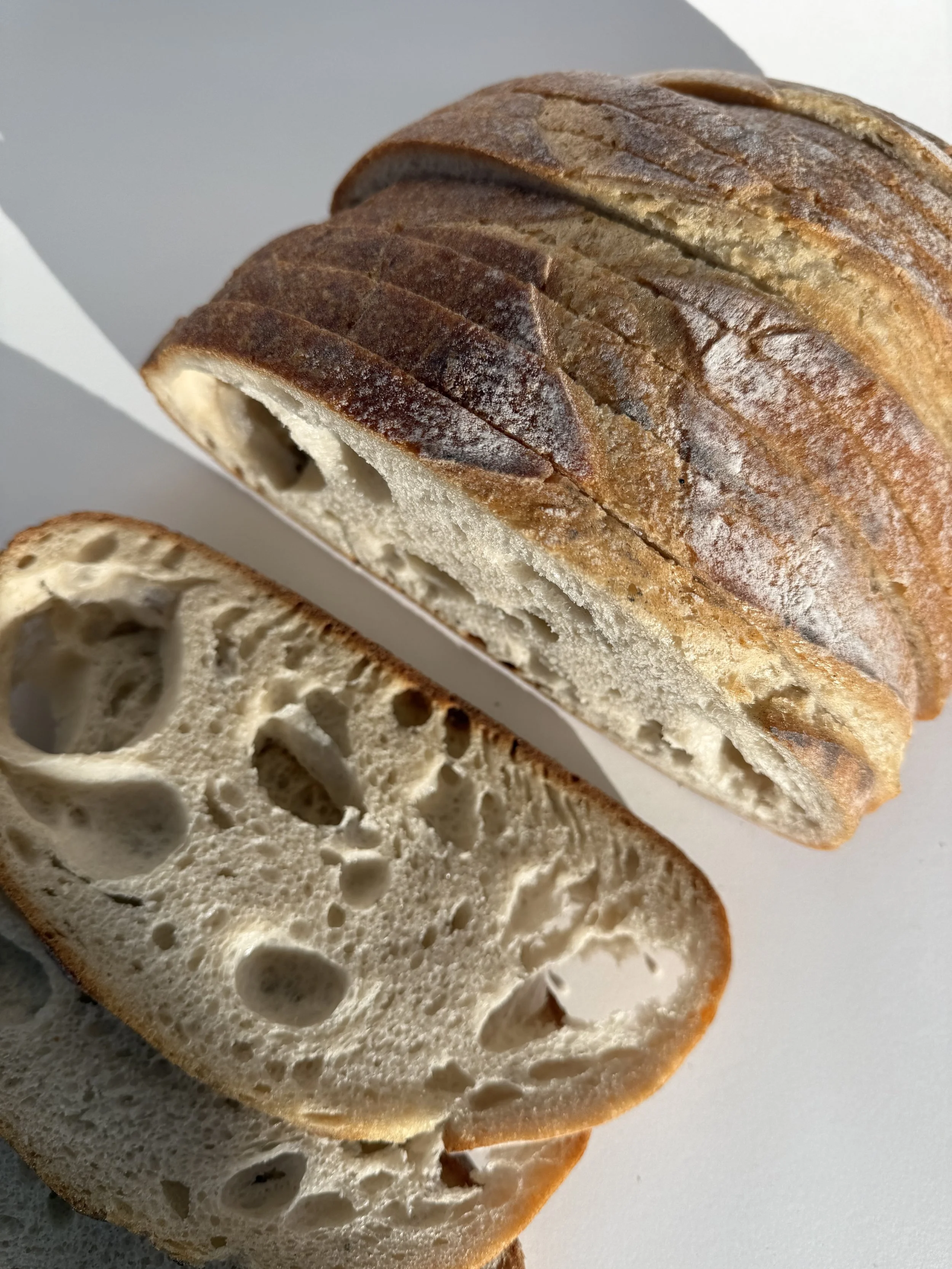
XL TRAD SHAPED WHITE SOURDOUGH BLOOMER
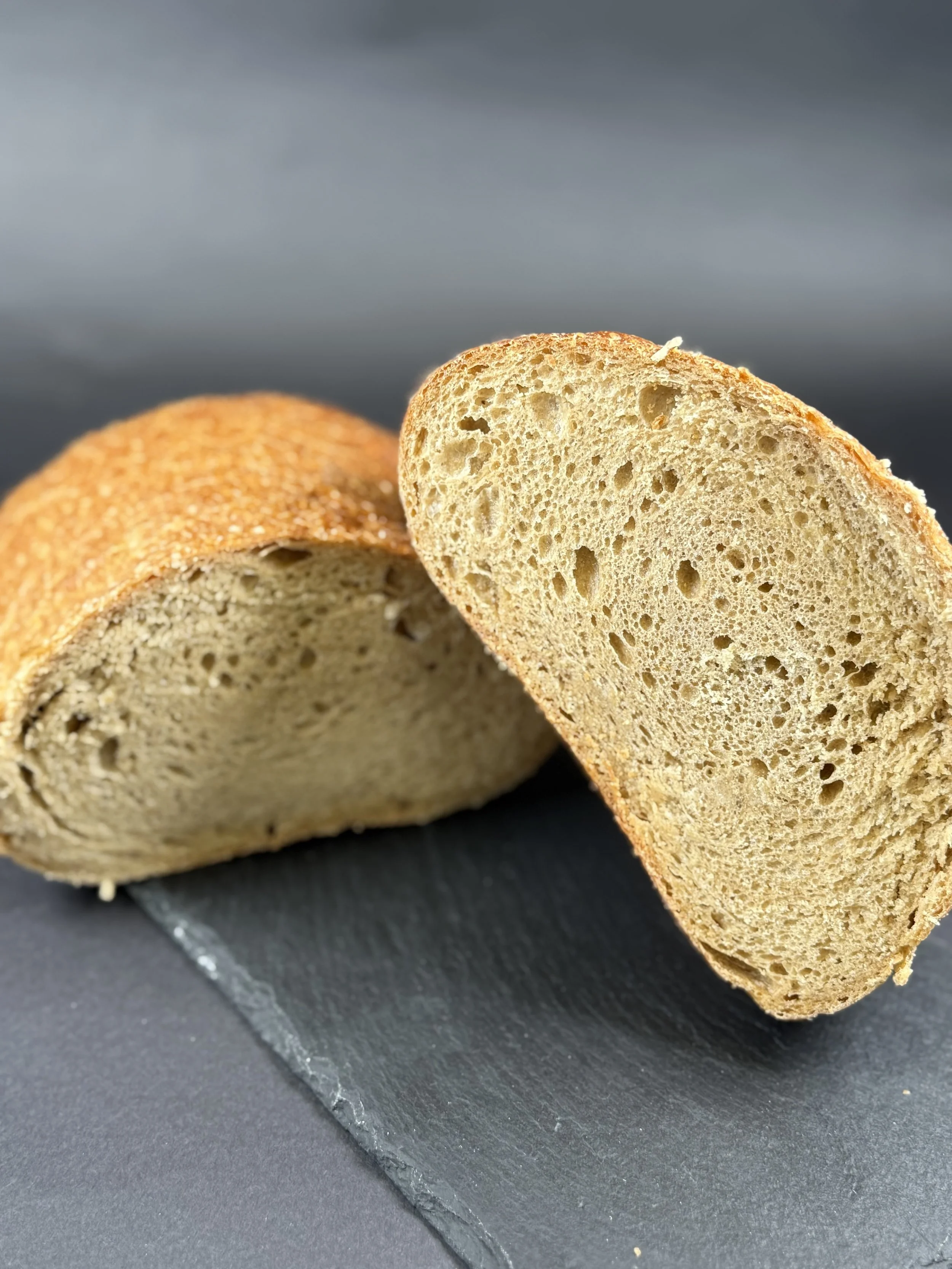
CAMPAILLOU SOURDOUGH
Dive Into Our Sourdough Goodness!
Ever wondered how Sourdough is made? At Fosters Bakery, we make different kinds of sourdough. You can learn about our processes here.


Our Campaillou Sourdough

Our sourdough vats each hold 1,500 kilos of sourdough
There are many different ways to make sourdough bread. In typical bread making, yeast is usually added to ferment the ingredients. With sourdough, however, the ingredients, usually just flour and water, are mixed together without added yeast and allowed to ferment naturally over several days or even weeks.
Fermentation occurs due to the friendly bacteria and natural enzymes present in the flour and the air. For example, in San Francisco, USA, the atmosphere is believed to contain natural bacteria and yeasts that give the bread a unique flavour.
Each day, the baker uses some of the fermenting sourdough to make bread by adding more ingredients. It is essential to refresh the remaining sourdough mixture daily by mixing it with fresh flour and water. In some bakeries, this process has continued for years, even centuries, using the same starter.
There are even companies that specialise in producing “starter cultures” to help bakers make sourdough bread. Sourdough has a distinctive, richer flavour and a firmer, chewier texture compared to regular bread.
At Fosters Bakery (The Bread People), we maintain several sourdough starters that are perpetually fermenting in large insulated fermentation vats or in large bowls. The hi tech computer automatically tells the vat when to rest and when to stir, when to stay warm and when to chill. We produce both 100% sourdough loaves and breads that incorporate sourdough into conventional recipes to add flavour.